Our Vision
To be a Catalyst for Economic Transformation and Growth.
To be a Catalyst for Economic Transformation and Growth.
To Regulate, Oversee and Monitor the Petroleum Downstream Industry in Ghana for Efficiency, Growth, and Stakeholder Satisfaction.
The National Petroleum Authority was established by an Act of Parliament (NPA Act 2005, ACT 691) to regulate the petroleum downstream industry in Ghana. As a Regulator, the Authority ensures that the industry remains efficient, profitable, fair, and at the same time, ensures that consumers receive value for money.
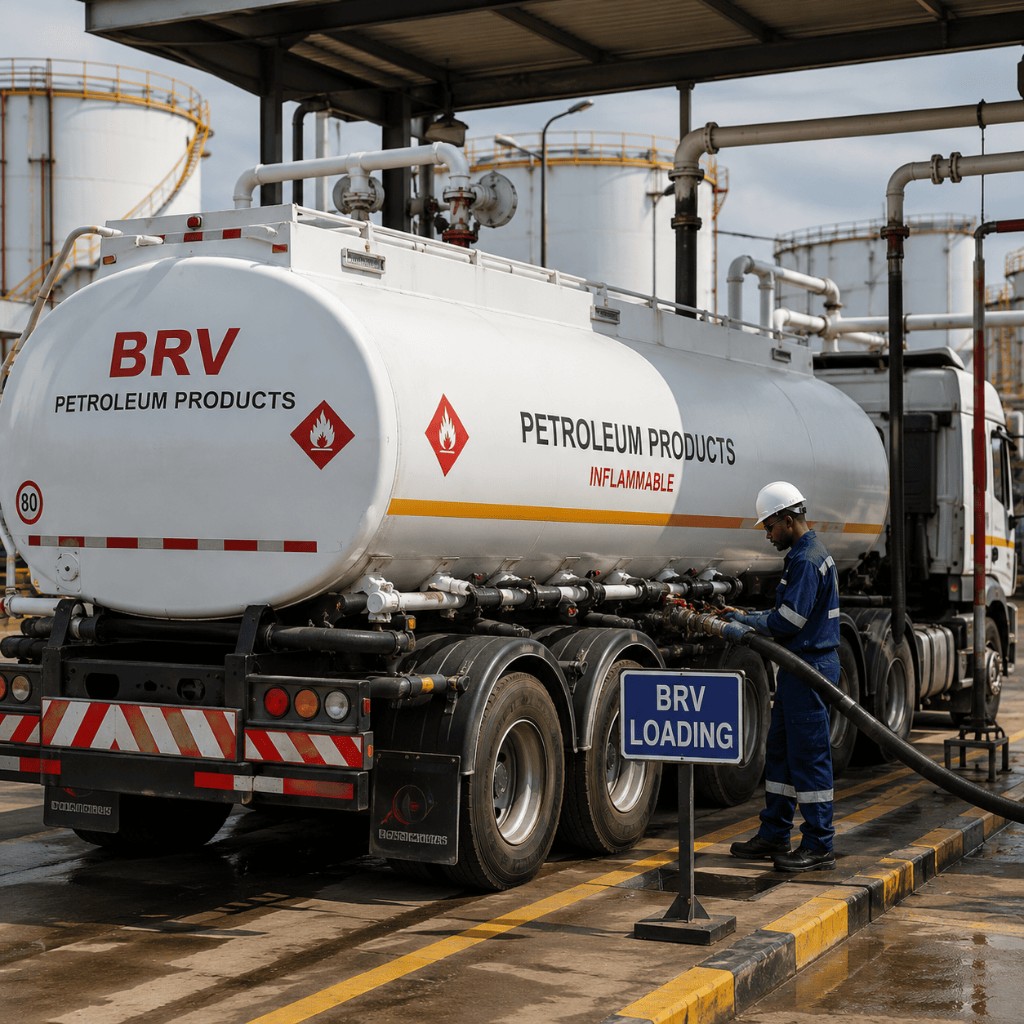
The petroleum downstream sector in Ghana encompasses all activities involved in the importation and refining of crude oil as well as the sale, marketing, and distribution of refined petroleum products in the country. The various commercial activities of the industry include importation, exportation, re-exportation, shipment, transportation, processing, refining, storage, distribution, marketing, and sale of petroleum products. The industry is one of the key sub-sectors and a major contributor to Ghana's Gross Domestic Product (GDP).

It currently boasts of over 5,000 service providers and an annual sales value of about GHS22.3 billion (US$ 3.92billion) according to 2020 estimates, which is about 6% of the country's GDP. Since the establishment of the National Petroleum Authority in 2005, the Authority has supervised the acceleration of the petroleum downstream deregulation process by facilitating the removal of restrictions on the establishment and operations of facilities, and the importation of crude oil and petroleum products. In June 2015, the Authority successfully implemented the final phase of the deregulation process, which is Price Liberalization. This process involves full decontrol of prices of petroleum products from the Government.
Private importers, distributors, and retailers are empowered to set ex-refinery and ex-pump prices with no intervention from the government. The Ghana petroleum downstream industry boasts of over 4.2 million Metric Tonnes (Mt) worth of state-of-the-art storage infrastructure. Due to the positioning of Ghana along the coast of West Africa, as well as the country's democratic credentials, security, and stability, the downstream industry is well placed to efficiently store strategic stocks of petroleum products as well as serve as a reliable point for exportation into the neighboring landlocked countries. This is evident in the increasing rate of exportation of petroleum products out of the country.
The principles that shape our culture and conduct.
Firmness and honesty in all operational activities. Good work ethics, absence of corruption, loyalty, sincerity, and truthfulness.
Openness in all decision-making processes and action thereon.
Strive to execute duties with the highest degree of accuracy and encourage others to do likewise.
Personal interest in acquiring the necessary skills and ability necessary to make appropriate decisions, improve service delivery and performance.
The Licensing Directorate has the core mandate of granting licences and permits to Petroleum Service Providers (PSPs) in the Petroleum Downstream Industry.
The Directorate monitors the design, construction of petroleum infrastructure and operations of PSPs. It focuses on standards and Health, Safety and Environmental issues.
The UPPF ensures that petroleum products are transported throughout the country in a manner that is simple, effective and inexpensive to operate administratively.
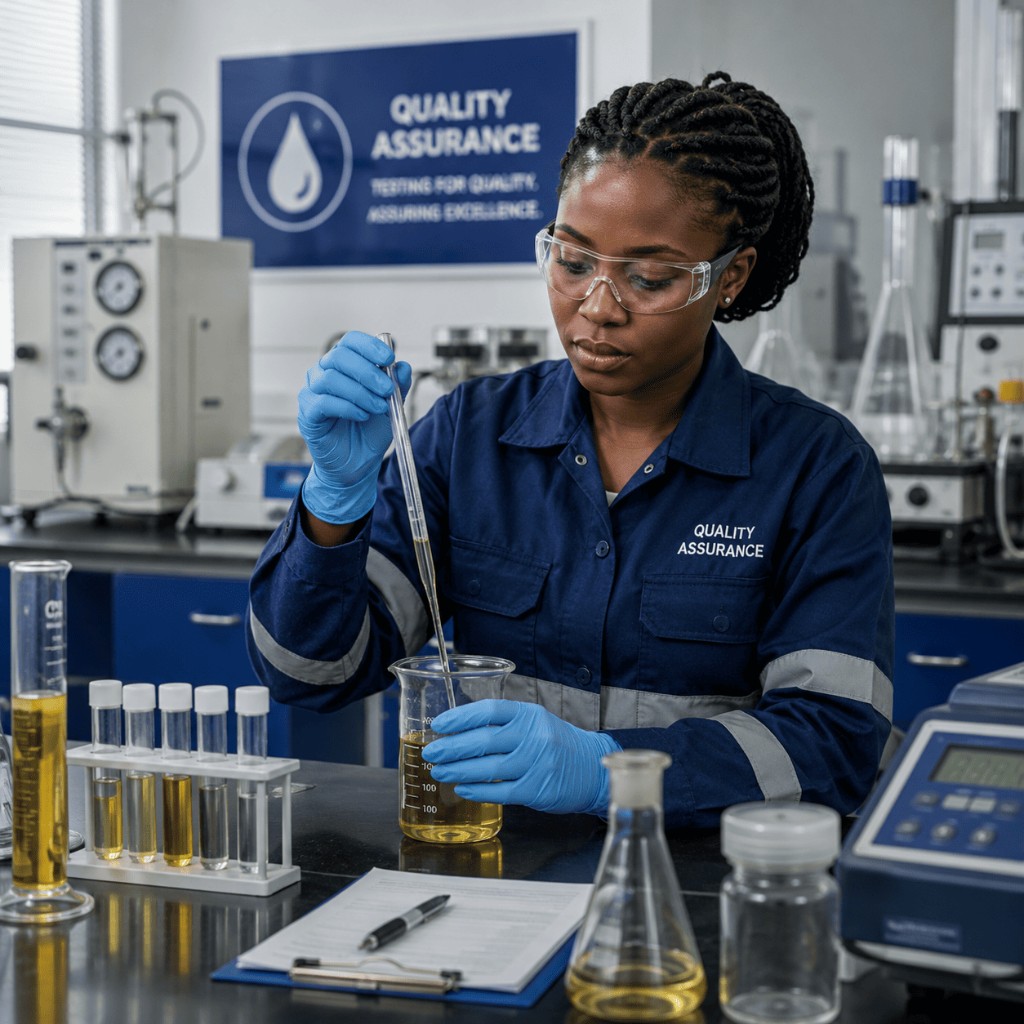
It is responsible for checking and controlling malpractices that result in loss of government revenue and a secondary effect of interference with product quality.
The Economic Regulation & Planning monitors the supply and consumption of petroleum products around the country to ensure that there are adequate stocks to meet the needs of the country.
The Gas Directorate handles all activities in the operations of natural gas, which stems from processing, storage, through transmission to distribution.